When Water Won’t Go Away: Signs Your Commercial Property Needs a Drainage Upgrade
Water is one of the most patient forces on earth, and on a commercial property, that patience can cost you. What begins as a minor puddle near your loading dock or a soggy patch in the lawn can quietly evolve into foundation erosion, liability risks, and costly repairs that no business owner wants to face. At Metro Lawn Care, we have worked with commercial property owners across the region for years, helping them identify drainage issues before they spiral into major problems. Understanding the warning signs early is not just smart maintenance, it is sound financial decision-making.
Drainage problems are more common than most property managers realize. According to the Federal Emergency Management Agency, flooding and water damage account for billions of dollars in commercial property losses each year, and a significant portion of those losses stem from poor or outdated drainage infrastructure rather than extreme weather events. The good news is that most drainage failures give clear warning signs before they reach crisis level. Knowing what to look for puts you in control.
Persistent Standing Water After Rainfall
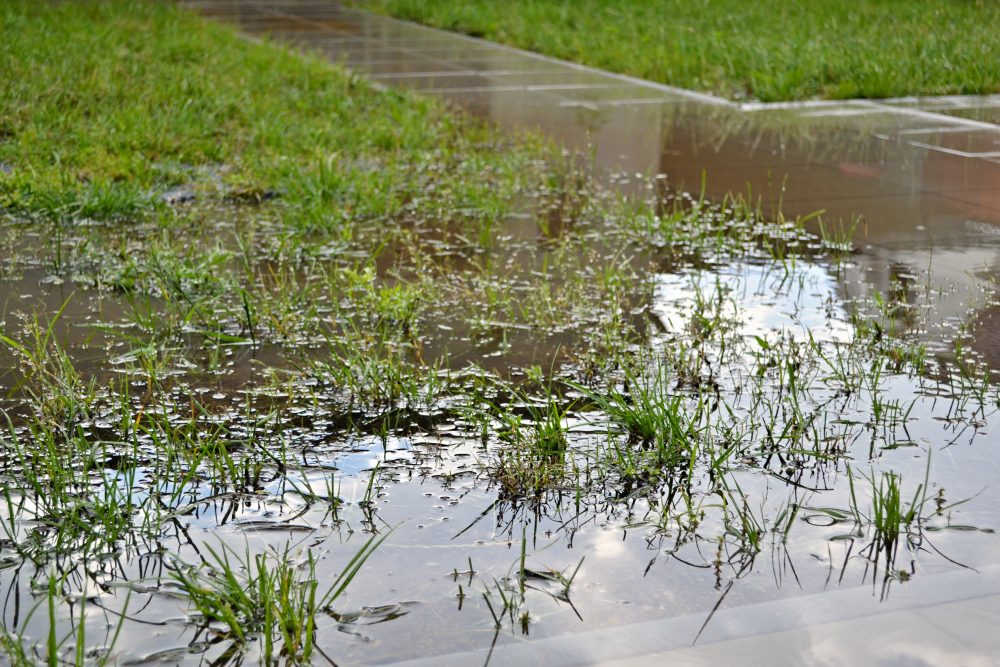
One of the most obvious indicators that your drainage system is struggling is water that simply refuses to leave. If you notice pooling in parking lots, near building foundations, along walkways, or in landscaped areas for more than 24 to 48 hours following moderate rainfall, your current system is not moving water efficiently. This could be caused by clogged catch basins, undersized drain pipes, poor grading, or a combination of all three. Left unaddressed, standing water accelerates pavement degradation, attracts pests, and creates slip-and-fall hazards that expose your business to legal liability.
Erosion in Your Landscaped Areas
When water has nowhere structured to go, it creates its own path, and that path is usually through your soil. Visible ruts, displaced mulch, exposed tree roots, or channels carved into your lawn after rain are all signs that surface water is moving with too much force and without direction. Erosion does not just damage curb appeal; it destabilizes plant life, undermines hardscaping, and can gradually compromise the integrity of nearby structures. A properly designed drainage upgrade will redirect that energy through channels and infrastructure built to handle it.
Foundation Moisture and Interior Water Intrusion
If your commercial building is showing signs of moisture along its base, such as efflorescence (that chalky white residue on masonry), damp basement or crawlspace conditions, or water stains near ground-level windows, your drainage system may be allowing water to saturate the soil directly adjacent to your foundation. Over time, hydrostatic pressure from waterlogged soil pushes moisture through even small cracks. Foundation repairs are among the most expensive commercial property projects you can face, often running into the tens of thousands of dollars, making early drainage intervention a genuinely cost-effective strategy.
\Deteriorating Pavement and Hardscape
Asphalt and concrete parking lots are significant investments. When drainage is inadequate, water works its way into small surface cracks, and through repeated freeze-thaw cycles or prolonged saturation, those cracks expand rapidly. If you are seeing accelerated pothole formation, widespread cracking, or sinking areas in your paved surfaces, poor drainage is very likely a contributing factor. Resurfacing without addressing the underlying water management issue is essentially applying a bandage without treating the wound.
Overflow From Existing Drains
Sometimes the system is present but simply no longer adequate for the property’s needs. If you notice water backing up from existing drains, overflowing from catch basins during moderate rain, or gutters depositing water in areas not equipped to handle it, your infrastructure may have been sized for an older version of the property, before additions, expanded parking, or increased impervious surface coverage changed how water flows across the site.
The Right Time to Act Is Before the Next Storm
Drainage upgrades range from relatively simple regrading and drain cleaning to the installation of French drains, catch basins, detention systems, or permeable paving solutions. The right solution depends on your property’s specific topography, soil conditions, and usage patterns. What remains consistent across every situation is that acting early is always less expensive and less disruptive than reacting to failure after it occurs.
If any of these signs sound familiar, Metro Lawn Care is ready to walk your property with you, assess the situation honestly, and recommend solutions that fit your budget and your timeline. Reach out today and let us help you get ahead of the water.