
Water-Efficient Commercial Landscapes: Design for Longevity
The scorching summer sun can transform a lush commercial landscape into a high-maintenance liability in a matter of weeks. For property managers and business owners, the sight of a skyrocketing water bill is often as stressful as the sight of wilting turf. At Metro Lawn Care, we understand that your outdoor space is a significant investment that should reflect the professionalism of your brand without draining your operational budget. We have spent years refining our approach to sustainable grounds management, ensuring that “green” refers to both your vibrant foliage and your environmental footprint.
Maintaining a premier commercial exterior no longer requires an endless supply of water. The primary concern for most stakeholders is finding a balance between aesthetic appeal and fiscal responsibility. As local water restrictions become more common and utility costs continue to rise, the shift toward efficiency is no longer just a trend, it is a business necessity. By implementing smart design principles from the outset, we help our clients build resilient landscapes that thrive in challenging conditions while maintaining the polished look their tenants and customers expect.
The Foundation of Hydrozoning and Strategic Layout
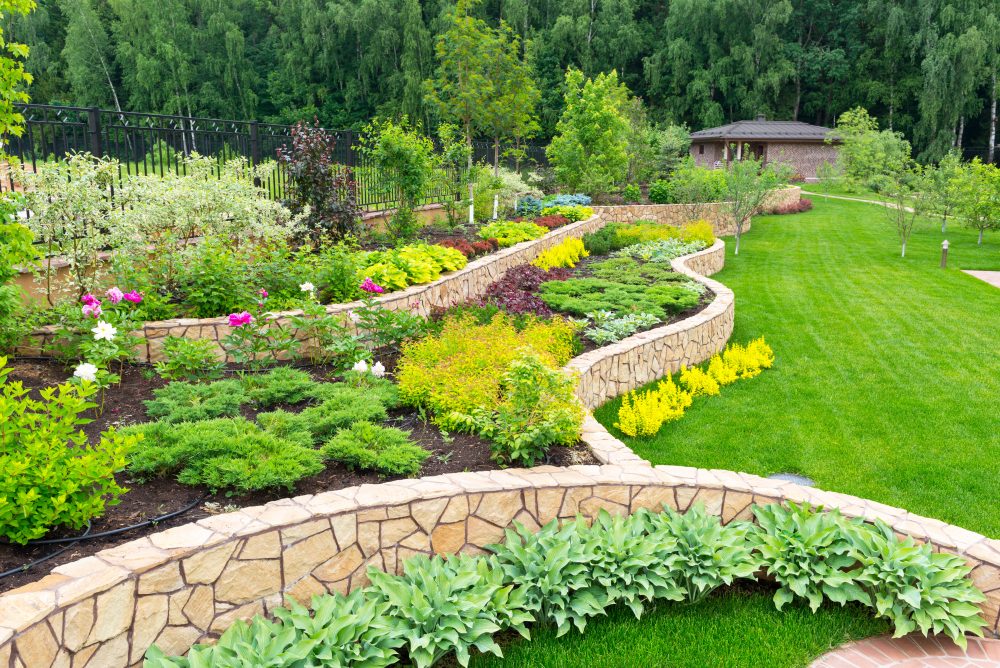
One of the most effective ways to ensure efficiency is through the practice of hydrozoning. This involves grouping plants together based on their specific moisture requirements rather than purely for visual symmetry. Imagine a sprawling office park where high-water shrubs are planted directly next to drought-tolerant ornamental grasses. To keep the shrubs alive, the irrigation system must run long enough to overwater the grasses, leading to root rot and wasted resources. By organizing your landscape into distinct water-use zones, our team ensures that every plant receives exactly what it needs and nothing more.
This approach allows for a “layered” irrigation strategy where the most visible areas, such as main entrances or outdoor seating zones, receive priority hydration. Meanwhile, the perimeter of the property or less-trafficked transition areas can be designed with hardier, low-water species. This strategic layout creates a sense of lushness where it matters most while significantly reducing the total volume of water required to maintain the property.
Soil Health and the Science of Moisture Retention
Beneath the surface of every beautiful landscape lies the secret to its water efficiency: the soil. Many commercial properties suffer from compacted soil or poor nutrient density, which prevents water from reaching the root zone. Instead of soaking in, the water simply runs off into the parking lot or storm drains. We focus heavily on soil amendment and the integration of organic matter to improve the “sponge” capacity of your land. When soil is properly aerated and enriched, it can hold moisture for much longer periods, allowing you to extend the time between irrigation cycles.
Mulching serves as the final protective barrier in this process. A thick layer of high-quality organic mulch acts like insulation for the earth, cooling the soil temperature and preventing evaporation. Imagine the difference between a glass of water sitting in the direct sun and one kept in a shaded, insulated cooler. Mulch provides that necessary shade for the roots, suppressing weeds that would otherwise steal water from your primary plants. It is a simple, cost-effective tool that provides immediate visual impact while doing the heavy lifting of moisture conservation.
Smart Technology and Irrigation Precision
The era of “set it and forget it” timers is over. Modern commercial irrigation relies on smart controllers that utilize real-time weather data and soil moisture sensors. These systems are the brains of a water-efficient landscape, automatically adjusting schedules based on rainfall, humidity, and temperature fluctuations. If a heavy rainstorm occurs overnight, a smart system will bypass the scheduled morning watering, preventing the site from becoming oversaturated and saving hundreds of gallons in a single session.
Beyond the controllers, the delivery method is equally vital. We often recommend drip irrigation for flower beds and non-turf areas. Unlike traditional spray heads that lose a significant percentage of water to wind drift and evaporation, drip systems deliver water directly to the base of the plant. This precision ensures that every drop is utilized by the root system. For larger turf areas, high-efficiency nozzles can be installed to provide a more uniform distribution of water, eliminating the common “brown spots” that often lead frustrated managers to overwater the entire lawn.
Selecting Resilient and Native Plant Species
Choosing the right plants is perhaps the most visible part of a water-efficient design. We advocate for the use of native or well-adapted species that have evolved to thrive in the local climate. These plants are naturally more resistant to local pests and diseases, requiring less supplemental water and fewer chemical interventions once they are established. This doesn’t mean your property has to look like a desert; there are countless vibrant flowering perennials and lush evergreens that are incredibly water-wise.
When we select species for a project, we look for “workhorse” plants that offer multi-season interest without high demands. Imagine a commercial entryway lined with hardy lavender, sage, and ornamental stones. This combination provides fragrance, color, and texture year-round while requiring a fraction of the water needed for traditional annual color beds. By prioritizing plants that are “right-sized” for their location, we also reduce the need for aggressive pruning, which can stress plants and increase their thirst.
The Long-Term Value of Professional Management
Efficiency is not a one-time setup but an ongoing commitment to the health of your property. Regular inspections are necessary to identify leaks, broken heads, or clogged lines that can silently waste thousands of gallons of water. Our team at Metro Lawn Care focuses on proactive maintenance, identifying these issues before they impact your budget or the health of your plants. We believe in empowering our clients with data and clear communication, showing you exactly how your landscape is performing and where further optimizations can be made.
Investing in a water-efficient design is a statement of corporate responsibility that resonates with modern consumers and tenants. It demonstrates a forward-thinking approach that values both the environment and the long-term viability of the property. When your landscape is designed with these considerations in mind, it becomes a self-sustaining asset rather than a constant drain on resources. We are proud to partner with businesses to create these resilient, beautiful spaces that stand the test of time and weather. Contact us today to transform your landscape.